
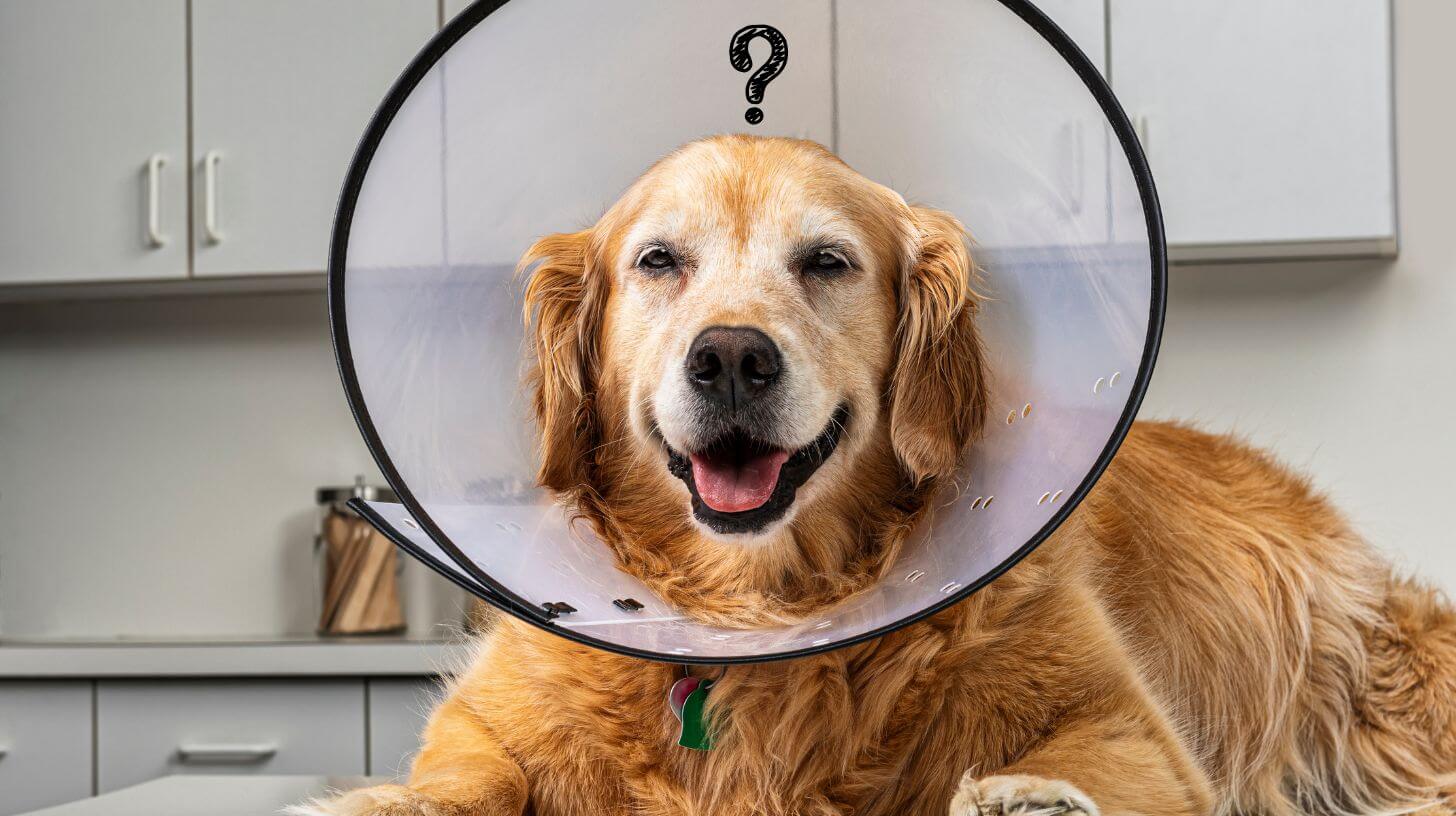
Pet owners often consider spaying or neutering their pets to promote health, prevent unwanted litters, and reduce certain behavioral issues. However, the cost of these procedures can be a concern. Many wonder, “Does pet insurance cover neutering or spaying?” This article explores whether pet insurance typically covers these procedures, what factors influence coverage, and how to make an informed decision about pet insurance for your furry friend.
Understanding Spaying and Neutering
Spaying and neutering are surgical procedures that sterilize pets, preventing them from reproducing. Spaying involves removing a female pet’s reproductive organs, while neutering (or castration) involves removing a male pet’s testicles. These procedures offer numerous benefits, including:
- Health Benefits: Reducing the risk of certain cancers (e.g., mammary or testicular cancer) and infections (e.g., pyometra in females).
- Behavioral Improvements: Decreasing aggression, roaming, or marking behaviors in males and eliminating heat cycles in females.
- Population Control: Preventing unplanned litters, which helps reduce the number of homeless pets.
The cost of spaying or neutering varies depending on factors like the pet’s species, size, age, and location. On average, spaying a dog costs $200 to $500, while neutering a dog costs $100 to $300. For cats, spaying typically ranges from $150 to $400, and neutering costs $50 to $200. These expenses prompt many pet owners to ask whether pet insurance can help cover the costs.
Does Pet Insurance Cover Spaying or Neutering?
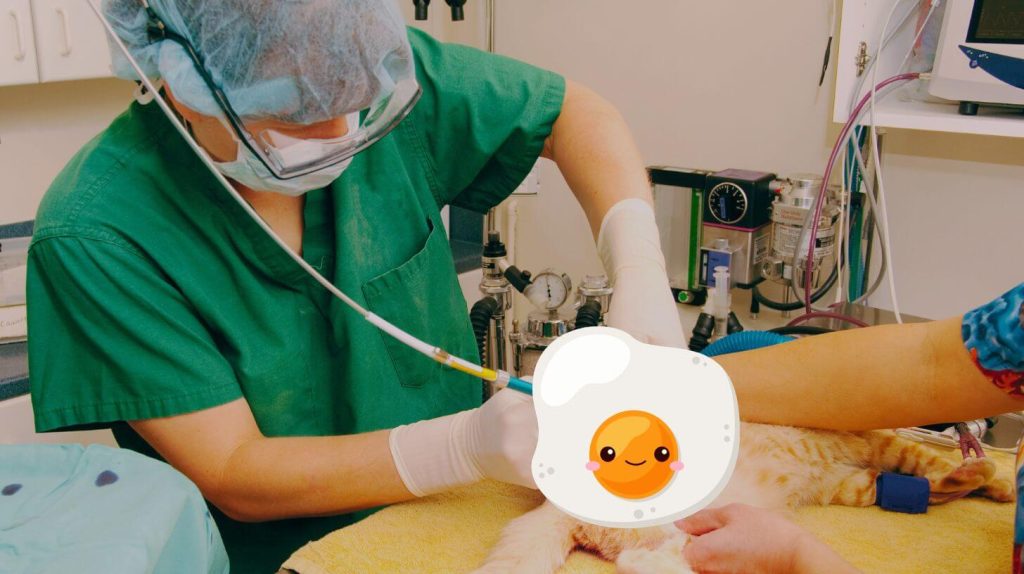
In most cases, standard pet insurance plans do not cover spaying or neutering because these procedures are considered elective or preventive care, not medically necessary treatments for illness or injury.
However, coverage depends on the insurance provider and the type of plan you choose. Here’s a breakdown of how pet insurance typically handles these procedures:
Standard Accident and Illness Plans
Most pet insurance plans focus on accidents and illnesses, such as broken bones, infections, or chronic conditions. Since spaying and neutering are elective procedures, they are usually excluded from standard policies. Always check the policy’s fine print, as exclusions for “elective” or “preventive” care are common.
Wellness or Preventive Care Plans
Some pet insurance providers offer optional wellness or preventive care riders that may cover spaying or neutering. These add-ons are designed to cover routine care, such as vaccinations, dental cleanings, or flea prevention. If your policy includes a wellness plan, it might reimburse a portion of the cost for spaying or neutering, depending on the provider’s terms. For example:
- Embrace Pet Insurance: Offers a wellness rewards program that may cover spaying or neutering, with reimbursement limits based on the plan.
- Healthy Paws: Does not cover spaying or neutering, as their plans focus solely on accidents and illnesses.
- Trupanion: Typically excludes spaying and neutering but may offer coverage through specific add-ons in certain regions.
Exceptions to the Rule
In rare cases, spaying or neutering may be covered if deemed medically necessary. For instance:
- If a veterinarian recommends spaying to treat a condition like pyometra (a uterine infection) or neutering to address testicular abnormalities, the procedure might be covered under a standard accident or illness plan.
- Some policies cover complications arising from spaying or neutering, such as post-surgical infections, even if the procedure itself isn’t covered.
To confirm coverage, review your policy or contact your insurance provider directly. Ask specific questions, such as:
- Does the plan include a wellness or preventive care option?
- Are there reimbursement limits for spaying or neutering?
- What documentation is required to process a claim?
Factors That Affect Coverage
Several factors influence whether your pet insurance covers spaying or neutering:
- Policy Type: Wellness plans are more likely to cover these procedures than standard accident and illness plans.
- Provider: Each insurance company has different policies. For example, Pumpkin Pet Insurance often includes spaying and neutering in its preventive care packages, while others like ASPCA Pet Health Insurance may offer optional coverage.
- Pet’s Age and Health: Some plans have age or health restrictions for elective procedures. For instance, older pets may face higher premiums or exclusions.
- Geographic Location: Veterinary costs vary by region, which can affect reimbursement rates for wellness plans.
- Timing of Enrollment: Pre-existing conditions are typically excluded. If your pet was spayed or neutered before enrolling, any related complications may not be covered.
Alternatives to Pet Insurance for Spaying or Neutering
If your pet insurance doesn’t cover spaying or neutering, there are other ways to manage the costs:
- Low-Cost Clinics: Many animal shelters, humane societies, or nonprofit organizations offer low-cost or subsidized spay/neuter services. For example, the ASPCA operates low-cost clinics in some areas, with prices as low as $20–$50 for cats.
- Veterinary Schools: Some veterinary schools provide discounted services performed by supervised students.
- Payment Plans: Some veterinarians offer payment plans or financing options, such as CareCredit, to spread out the cost.
- Local Programs: Check for community programs or grants that support spaying and neutering, especially for pet owners facing financial hardship.
Is Spaying or Neutering Worth the Cost?
Even without insurance coverage, spaying or neutering is often a worthwhile investment. The health and behavioral benefits can save money in the long run by preventing costly medical issues or unplanned litters. Additionally, many shelters and adoption agencies require pets to be spayed or neutered, making it a standard part of responsible pet ownership.
How to Choose the Right Pet Insurance
When selecting a pet insurance plan, consider your needs and budget. If covering spaying or neutering is a priority, look for providers with robust wellness plans. Here are some tips:
- Compare Plans: Research multiple providers, such as Nationwide, Figo, or Lemonade, to find plans that include preventive care.
- Read the Fine Print: Understand exclusions, reimbursement rates, and annual limits.
- Evaluate Costs: Wellness plans increase premiums, so weigh the cost against potential savings.
- Check Reviews: Look for customer feedback on claims processing and customer service.
Conclusion
While most standard pet insurance plans do not cover spaying or neutering, some providers offer wellness or preventive care add-ons that may reimburse these procedures. Always review your policy details and contact your provider to confirm coverage.
If insurance doesn’t cover the cost, explore low-cost clinics, payment plans, or local programs to make spaying or neutering affordable. By understanding your options, you can ensure your pet receives the care they need while managing expenses effectively. Just make sure you know who’s paying ahead of time because no one wants an unexpected vet bill and a surprise litter in the same week.